9 Reasons to invest in commercial real estate
Categoriesblog

9 Reasons to invest in commercial real estate

Introduction

Commercial real estate is one of the most rewarding investment options in today’s market, offering stability, diversification, and growth potential. However, many people are unaware of the full range of benefits it provides. By investing in commercial properties, you can enjoy steady income, long-term appreciation, and tax advantages. Additionally, CRE offers a unique opportunity to diversify your portfolio, reduce risks, and take control of your investment. This makes it a powerful choice for those looking to build wealth.

10 Reasons to Invest in Commercial Real Estate

Investing in commercial real estate (CRE) is a smart way to grow your money and secure a stable income. Unlike other investments, CRE offers long-term benefits like higher returns, tax savings, and appreciation in value. It’s a reliable option whether you’re a beginner or an experienced investor. With properties rented to businesses for years, you can enjoy consistent earnings and reduce risks. From adding value through upgrades to benefiting from inflation, CRE provides multiple advantages. Here are 10 key reasons why commercial real estate is worth considering, helping you understand how it can be a profitable and secure investment choice.

Steady Income Potential

Investing in commercial real estate gives you a regular income. Businesses renting your property often pay higher rents than people renting homes. This means more money in your pocket every month. For example, renting out a shop or office space can bring in more income than a house. This regular income can help you pay for other expenses or save for the future.

Capital Appreciation

Over time, the value of commercial properties usually increases. This means you can sell the property for a higher price than what you paid. For instance, if you buy a property in an area that grows into a business hub, the property’s value can go up a lot. You can also make changes, like adding new features, to increase its worth.

Diversification

Putting your money in commercial real estate helps spread your risk. It’s different from investing in stocks or gold because real estate values don’t change as quickly. By investing in CRE, you don’t have to rely on one type of investment. If one type loses value, the other can still make money for you.

Long-Term Lease Agreements

Commercial properties are often rented for many years, usually 5 to 10 years or more. This gives you a steady and reliable income. Unlike homes, where tenants may leave often, businesses stay longer because they don’t want to move their operations. This reduces your stress and ensures regular earnings.

Tax Benefits

Investing in CRE helps you save money on taxes. You can deduct expenses like maintenance, repairs, and loan interest from your taxable income. For example, you can also claim something called “depreciation,” which means writing off the cost of wear and tear on your property. This lowers the amount of tax you have to pay.

Inflation Hedge

When prices of goods and services go up, the value of money goes down. But with CRE, your property’s value and rental income go up with inflation. For instance, if inflation causes higher living costs, you can increase rents based on inflation rates. This protects your income and keeps your investment valuable.

High Demand for Prime Locations

Locations with good business activity, transportation, and foot traffic are always in demand. Businesses pay higher rents for properties in such areas. Owning a property in a prime location, like a busy shopping area or near main roads, means you will always find tenants. This keeps your property occupied and profitable.

Control Over Investment

When you invest in commercial real estate, you have control over how to improve its value. You can upgrade the property, add modern features, or change its design to attract better tenants. For example, adding parking spaces or upgrading the interiors can bring higher rents and increase the value of your property. This control gives you more options to grow your income.

Value-Add Opportunities

Commercial properties offer ways to increase their value. You can make changes like renovating the building or using the space for a new purpose to make more money. For example, you can turn an old factory into a modern office space or a co-working centre. This increases the rent and makes the property more valuable for future sales.

Secure Financing Options

Getting a loan for commercial real estate is easier than you think. Banks and lenders like giving loans for these properties because they see them as safe investments. You can get loans at lower interest rates and pay them back over a long time. With such help, you can buy bigger or better properties and grow your wealth faster.

Conclusion

Commercial real estate provides a solid investment option with steady income, long-term growth, and valuable tax benefits. It offers stability, portfolio diversification, and the ability to control your investment, making it an attractive choice for both new and experienced investors. With the right approach, CRE can be a reliable path to building wealth and securing your financial future.

Land Investment in India: Opportunities, Advantages, and Strategies
Categoriesblog

Land Investment in India: Opportunities, Advantages, and Strategies [2025]

Introduction

Land investment in India is a growing opportunity, and as we move toward 2025, it’s a great time to explore how you can make the most of this market. With a booming economy, rapid urbanization, and government support for infrastructure, there are many ways for investors to benefit. If you’re looking to invest in land, this blog will guide you through the opportunities, advantages, and strategies you need to know.

Opportunities in Land Investment

India offers a wide variety of land investment options, each with its own potential. Let’s explore where you can put your money.

Diverse Investment Options

  • Agricultural Land: With the growing demand for food and a focus on sustainability, agricultural land remains a strong choice for long-term investment. As India’s population grows, so does the need for food production, which makes agricultural land valuable.
  • Residential and Commercial Properties: The rise of the middle class and continued urbanization means there’s increasing demand for both residential and commercial spaces. These areas offer a great growth potential, especially in cities where development is booming.
  • Tier 2 and Tier 3 Cities: While cities like Delhi and Mumbai remain popular, emerging cities like Indore, Navi Mumbai, and Jaipur are becoming increasingly attractive for investors. These cities are seeing significant infrastructure improvements, which could lead to high land value in the coming years.

Infrastructure Development

Major infrastructure projects like the Delhi-Mumbai Industrial Corridor (DMIC) and the development of new airports are making previously less popular areas more accessible. This increased connectivity enhances the appeal of land in these regions. Additionally, government projects like the Smart Cities Mission are boosting land values in targeted urban areas.

Government Initiatives

The Indian government has introduced policies that make land investment safer and more profitable. For instance, RERA (Real Estate Regulation and Development Act) brings transparency to the land market, reducing the risk of fraud. Also, the government offers tax benefits that encourage land investments, including exemptions on long-term capital gains.

Advantages of Land Investment

Investing in land in India can provide some unique benefits. Here are a few reasons why it’s a good choice for investors.

Capital Appreciation

Land tends to increase in value over time, especially in fast-growing urban areas. As cities expand and infrastructure improves, the demand for land increases, leading to higher prices. This makes land an attractive long-term investment, with the potential for significant returns.

Low Maintenance Costs

Unlike buildings or properties, land requires little to no maintenance. There are no repairs or tenant management costs to worry about. This makes land a low-maintenance, hassle-free investment.

Portfolio Diversification

Investing in land allows you to diversify your portfolio beyond stocks or bonds. By adding land to your investment mix, you can reduce risk, as land investments are less affected by market fluctuations compared to other assets.

Tax Benefits

There are several tax advantages to land investment. The government offers exemptions on long-term capital gains tax for land held for a certain period. These tax benefits can add to the overall profitability of your investment.

Strategies for Successful Investment

Investing in land can be highly rewarding, but it’s important to approach it the right way. Here are some strategies that can help you make the best choices.

Research and Due

Diligence Before buying any land, make sure you do your homework. Check out local market trends, zoning laws, and upcoming developments. Knowing these factors will help you assess whether the land’s value is likely to increase over time. Areas with planned infrastructure upgrades, such as new highways or railways, are especially worth considering.

Focus on Growth

Areas Target regions with future potential. Look for areas where the government is developing infrastructure or where new projects, such as airports or business hubs, are being built. These locations are often expected to grow rapidly, making land in these areas a great investment opportunity.

Consider Long-Term Trends

Keep an eye on India’s demographic and economic changes. With a growing middle class and increasing urban migration, there will likely be more demand for land in cities and towns that offer good infrastructure and employment opportunities. Identifying these trends early can give you an edge in making smart investments.

Leverage Financing Options

Land purchases may seem like a big financial commitment, but there are financing options available to help you manage the cost. You can consider taking out loans specifically for land, or use home loans if the land is for residential development. Exploring financing options allows you to purchase land without putting all of your savings at risk.

Conclusion

Investing in land in India offers a promising future, especially with the ongoing economic growth, urbanization, and government-backed development projects. As the demand for land rises, so does the potential for long-term returns. By taking advantage of government policies, considering the right locations, and making well-researched decisions, you can make land investment work for you.

If you’re ready to take the next step and secure your financial future, now is the time to explore the opportunities that land investment offers. With patience, research, and a clear strategy, you can make the most of this growing market as we approach 2025.

Top Residential Areas in Coimbatore
Categoriesblog

Top Residential Areas in Coimbatore

Introduction

Buying a residential area in a well-developing area at Coimbatore is becoming difficult, and the prices of these lands are not a joke. You can always buy land near Coimbatore to be in connection with the district. KCP Promtors have brought in residential plots for sale in three locations, Karamadia, Perumanallur, and Sathyamangalm which is close to Coimbatore where you can invest or build your dream home.

Top Residential Areas in Coimbatore

Coimbatore is a dream place to live in for many people and it has become hard to find a residential area. KCP Promoters have brought three gated community projects near Coimbatore that will help them live in their dream place.

Karamadai

Karamadai is located about 15 kilometres from the city centre of Coimbatore. It is a quiet place filled with trees and nature. Many families and individuals like to live here because it is peaceful and still close to the city.

Key Features

  • Easy Access: Karamadai is connected to Coimbatore by the NH181 highway. This makes it easy to travel to the city and other nearby areas. Buses and other public transport options are available for residents.
  • Schools and Colleges: There are several good schools and colleges in Karamadai, making it an ideal place for families with children who are looking for quality education without having to travel far.
  • Friendly Community: Karamadai has a strong sense of community, with local markets, temples, and parks where people can meet and enjoy time together.
  • Affordable Housing: If you’re looking for plots for sale in Karamadai, there are many options available at reasonable prices. You can find more information about land for sale in Karamadai here.

Lifestyle

Living in Karamadai means enjoying a calm lifestyle. There are parks for walking and jogging, and local restaurants offer delicious Tamil food, giving residents a taste of local culture.

Sathyamangalam

Sathyamangalam is about 30 kilometres from Coimbatore. This area mixes city life with beautiful nature. It is known for its agricultural richness and peaceful atmosphere, making it a great choice for those who want to live in a quieter place.

Key Features

  • Natural Surroundings: Sathyamangalam is surrounded by hills and forests, perfect for people who love nature and outdoor activities. The nearby Sathyamangalam Tiger Reserve is great for wildlife enthusiasts.
  • Rich Culture: The town is rich in traditions, with many temples and festivals happening throughout the year. This cultural vibrancy creates a sense of community among residents.
  • Good Schools: Sathyamangalam has several schools and colleges, making it suitable for families looking for quality education.
  • Investment Opportunities: As Coimbatore grows, Sathyamangalam will become more popular. Many people are looking for plots in Sathyamangalam to invest in residential land. You can find more details on available plots for sale in Sathyamangalam here.

Lifestyle

The lifestyle in Sathyamangalam is peaceful. Residents can shop in local markets for fresh food and goods, and many community events and festivals bring people together.

Perumanallur

Perumanallur is a suburb just 10 kilometres from Coimbatore. It is a popular area with a mix of homes and businesses, attracting many different people.

Key Features

  • Close to the City: Perumanallur is very close to Coimbatore, making it easy for residents to access shops, hospitals, and entertainment.
  • Good Infrastructure: The area has seen improvements in roads and public transport, making it a comfortable place to live.
  • Variety of Homes: You can find many different types of homes in Perumanallur, including budget-friendly apartments and luxurious houses. Many people are looking for plots in Perumanallur, which can be a great investment. Learn more about plots for sale in Perumanallur here.
  • Healthcare Access: There are good hospitals and clinics nearby, which is important for families as it ensures that everyone can get the healthcare they need.

Lifestyle

Perumanallur combines the best of city life with a friendly community. There are local markets, parks, and places for fun activities. You can find many restaurants and shops that cater to different tastes.

Conclusion

You can now have your land near Coimbatore and enjoy amazing benefits offered in gated community projects offered by KCP Promoters. It is time for you to decide the best location for your sweet home for your investment. Once you have chosen the plot you want to buy take the first step by contacting the professional at KCP Promoters and carry on with the most trusted promoters to buy your dream land.

Land survey
Categoriesblog

What is a Survey and Why is it Important in Research

Introduction

A land survey is a very important step before buying any land. It helps you know the exact size and boundaries of the land and avoids any problems later. Whether you are buying land for yourself or as an investment, a survey can stop fights over land, find any legal issues, and show how the land can be used. In this blog, we will talk about why a land survey is important, the benefits of doing one before buying, and how to easily apply for a land survey online

What is a Land Survey?

A land survey measures the dimensions of a particular land, including its horizontal distance, directions, angles, and elevation. This is used to collect data on the type and distribution of land use in an area. One of the main reasons land survey is used in real estate is to prevent disputes between two parties. The accurate details help you find land boundaries and buy or invest in them without problems

Types of Land Survey

  • Topographic Survey: This survey looks at the natural features of the land, like hills, rivers, and valleys. It helps create maps that show how the land is shaped.
  • Boundary Survey: This survey shows the exact borders of a piece of land. It helps settle any fights over land boundaries and shows you exactly what land you own or want to buy.
  • Cadastral Survey: The government uses this survey to keep records of who owns the land and the land’s boundaries.
  • Construction Survey: Before building anything, this survey makes sure the construction will follow the right boundaries and rules for that area.
  • Subdivision Survey: This survey happens when a large piece of land is divided into smaller plots. It helps set clear borders for each plot.
  • Contour Survey: This survey helps to understand the slope of the land, which is useful for planning roads or water drainage systems

Is Land Survey Important for Research?

Yes, a land survey is critical when researching any piece of land, whether for commercial or domestic purposes. A land’s geographical and spatial data is crucial to know its authenticity and make reliable conclusions. Here are some of the reasons why land survey is important when you are researching for 

  • Accurate Measurements: Land surveys give exact details about the size, shape, and boundaries of land. This helps land buyers get the right information they need.
  • Creating Maps: Surveys help make accurate maps, which are useful in studying land, water, forests, and farming. These maps help researchers understand the land better.
  • Historical and Old Site Studies: For research on old buildings or digging sites, land surveys show the exact spots. This helps researchers work in the right area without damaging the land.
  • City Planning: Surveys are also used to plan roads, buildings, and other important things in cities. They help researchers study how people live and use land, helping make cities better.

Along with the land survey during your research, you must also be sure if it is DTCP approved are not. If you are curious check on Why Should You Buy DTCP-Approved Sites in Coimbatore?

What are the Benefits of Doing a Land Survey Before Buying the Land?

If you are about to buy land, you must do a land survey, as there are many benefits that you will gain from it. Some of the benefits that you get that can help you solve a lot of problems and help you make smart choices are as follows,

  • Exact Size and Boundaries: A survey shows the exact area and borders of the land. This helps you know what you are buying and avoid any fights with neighbours.
  • Legal Safety: A survey can find any legal issues, like if someone else is using part of your land. It makes sure the land is clear of problems, saving you trouble later.
  • Special Uses or Limits: Surveys show if someone else has a right to use your land (like for water or electricity). It also tells you if there are any rules on how you can use the land.
  • Building Plans: If you want to build on the land, a survey helps you make sure your building will be in the right place and follow all the rules.
  • Real Land Value: Knowing the exact size of the land helps you understand how much it’s worth, so you don’t pay too much.

Along with land surveys, there are 10 Things You Must Check Before Buying a Plot in Coimbatore. This will help you select the right land without making any mistakes.

How to Apply for a Land Survey?

Let’s say you are looking for land to buy and you like a certain piece of land. You want to know more about it and in the process, you need to know the exact area of the piece of land you are about to buy. If you do not have any idea on how to initiate a land survey, then the steps discussed here will be of help to you.

Patta – revenue document

Chitta – a document with details like the shape, size, location, etc.

You can apply for a land survey online through the Anytime / Anywhere e-Services by the Department of Survey and Settlement, Government of Tamil Nadu. Here are the simple steps on how to apply for a land survey online.

  • Go to the official website (https://eservices.tn.gov.in/eservicesnew/index.html) of Tamil Nadu e-services.
  • Select the option View Patta / Chitta on the website which will direct you to a new page.
  • Here choose your district, taluk, and village fill in further details required and continue on to provide your phone number and verify it with OTP.
  • After completing the process a copy of the land survey will be available for you on the screen to check.

Conclusion

Doing a land survey before buying land is a smart move. It helps you know the exact size, limits, and legal status of the land, so you won’t face any problems in the future. With clear information, you can make better choices and protect your investment. If you are planning to buy land in Tamil Nadu, you can easily apply for a survey online using the government’s e-services. Make sure to get a land survey done to safely and confidently buy your land.

Categoriesblog

6 Essential Land Access Types You Should Know

Introduction

Have you been looking around in search of land? You must know the essential land access types as it can help you make the right decisions. There are laws and regulations specific to the land that you will be using it for that you need to keep an eye out for. Get to know the 6 essential land types access types here.

6 Essential Land Access Types You Should Know

When it comes to land access, understanding the various types can be crucial for anyone involved in real estate, urban planning, or land development. Each type of land access serves unique purposes and has its own set of regulations and characteristics. Here, we’ll explore six essential land access types: Residential, Agricultural, Recreational, Commercial, Industrial, and Public.

Residential

Residential land access is perhaps the most familiar type, encompassing areas designated for housing. These areas can include single-family homes, apartment complexes, and condominiums. The primary purpose of residential land is to provide a living space for individuals and families.

Regulations for residential land vary widely, influenced by local zoning laws and community standards. These regulations may dictate the types of buildings that can be constructed, the minimum lot sizes, and even the aesthetics of the properties.

One key aspect of residential land access is its impact on community development. Residential areas often require infrastructure such as roads, schools, and parks to support the population. Additionally, the value of residential land is influenced by factors such as proximity to amenities, the quality of local schools, and neighbourhood safety.


Agricultural

Agricultural land access is vital for food production and rural livelihoods. This type of land is used primarily for farming activities, including crop production, livestock grazing, and horticulture. Agricultural land can range from vast commercial farms to small family-owned plots.

The management and use of agricultural land are subject to regulations aimed at ensuring sustainable practices and protecting natural resources. These regulations may cover water usage, pesticide application, and soil conservation methods.

Access to agricultural land is crucial for maintaining food security and supporting the agricultural economy. In many regions, agricultural land is also valued for its contribution to preserving open spaces and maintaining rural landscapes.

Recreational

Recreational land access encompasses areas designated for leisure and outdoor activities. This can include parks, nature reserves, sports facilities, and hiking trails. Recreational land is essential for providing spaces where people can engage in physical activities, relax, and connect with nature.

Regulations for recreational land typically focus on preserving natural habitats, ensuring public safety, and maintaining the usability of facilities. These areas often require careful planning and management to balance the needs of the public with environmental conservation goals.

The availability of recreational land can enhance the quality of life in a community, offering residents opportunities for exercise, socialization, and mental relaxation. It also contributes to the aesthetic and ecological value of urban and rural areas.

Commercial

Commercial land access refers to areas designated for business activities. This includes retail stores, offices, hotels, and restaurants. The primary function of commercial land is to support economic activities and provide goods and services to the public.

Zoning regulations for commercial land can be complex, as they need to balance the interests of businesses with those of the community. These regulations may govern building heights, parking requirements, signage, and the types of businesses that can operate in certain areas.

Commercial land is often located in central business districts, shopping centres, and along major transportation routes. Access to commercial land is crucial for economic development, job creation, and providing essential services to residents.

Industrial

Industrial land access is designated for manufacturing, production, and distribution activities. This type of land includes factories, warehouses, and industrial parks. Industrial land plays a critical role in supporting economic growth and providing employment opportunities.

Regulations for industrial land are focused on ensuring environmental protection, worker safety, and efficient land use. These regulations may address issues such as pollution control, noise levels, and hazardous material handling.

Industrial land is often located on the outskirts of urban areas or in designated industrial zones to minimize the impact on residential and commercial areas. Access to industrial land is essential for the functioning of supply chains and the production of goods.

Public

Public land access includes areas that are owned and managed by government entities for the benefit of the community. This can include government buildings, public schools, libraries, and transportation infrastructure. Public land serves a variety of functions, from providing essential services to supporting community activities.

Regulations for public land ensure that these areas are accessible, safe, and maintained for public use. Public land management often involves balancing multiple interests, such as recreational use, conservation, and urban development.

Public land access is fundamental to the functioning of society, offering spaces for education, recreation, and civic engagement. It also plays a role in preserving historical sites and natural resources for future generations.

Conclusion

Understanding the six essential land access types—Residential, Agricultural, Recreational, Commercial, Industrial, and Public—provides a comprehensive overview of how land is utilized and regulated. Each type of land access serves unique purposes and contributes to the overall development and functionality of communities. By recognizing the distinct characteristics and regulations associated with each type, stakeholders can make informed decisions regarding land use and development.

Exploring the Potential of Land Investment in India
Categoriesblog

Exploring the Potential of Land Investment in India

Introduction

Considering expanding your investment portfolio? Land investment in India offers promising opportunities, especially with rising demand in urban areas. Whether you’re exploring land for sale in Coimbatore or commercial land for sale in bustling cities, the potential for long-term appreciation is substantial. Land remains a stable asset, providing a solid foundation for wealth building. Before diving in, understanding the benefits, risks, and key considerations is essential for making informed investment decisions.

Historical Perspective

India has a rich history of land ownership, with land traditionally viewed as a symbol of wealth and social status. Over time, the nature of land investment has evolved, influenced by shifts in the economy and government policies. Post-independence, land reforms reshaped ownership patterns, and the liberalization of the economy in the 1990s opened up new opportunities for land investment. If you’re looking at land for sale in Coimbatore or any other region, it’s helpful to understand how these historical factors have shaped current market trends. Today, the Indian land market is a blend of traditional values and modern economic opportunities, making it a unique investment landscape.

Current Market Trends

The land market in India is dynamic, with several trends shaping its growth. Urbanization is a major driver, with cities expanding rapidly and infrastructure projects creating new opportunities. If you’re interested in commercial land for sale, now might be a great time to invest, especially in regions experiencing rapid development. The government’s focus on smart cities and affordable housing has also boosted demand for land in urban and semi-urban areas. Additionally, there’s growing interest in agricultural land, particularly for sustainable farming practices. The rise of digital platforms has made it easier to explore land investment opportunities, even in regions far from where you live. Staying updated on these trends will help you make smarter investment choices.

Types of Land Investments

When it comes to land investment in India, you have several options to choose from. Residential land is popular, especially in growing cities where the demand for housing is on the rise. If you’re considering residential land for sale in Coimbatore, the prospects for appreciation are strong. 

Commercial land is another lucrative option, particularly in business districts and industrial areas. Investing in commercial land for sale can offer higher returns, but it also comes with its own set of risks and regulatory considerations. 

Agricultural land is gaining popularity, particularly among those interested in sustainable practices or seeking to diversify their investments. Industrial land is also worth considering, especially in areas with significant industrial activity. Each type of land investment has its own benefits and challenges, so it’s important to align your investment with your financial goals and risk tolerance.

Benefits of Land Investment

There are several compelling reasons to consider land investment. One of the biggest benefits is appreciation potential. Over time, land tends to increase in value, especially in regions with strong economic growth. This makes it a solid long-term investment. Additionally, investing in land offers diversification to your portfolio. Land can balance more volatile assets like stocks, providing a stable investment option. Another advantage is that land typically requires low maintenance. Unlike properties that need upkeep, vacant land often requires minimal effort, making it a hassle-free investment. Whether you’re considering land for sale in Coimbatore or commercial land for sale in a growing business hub, these benefits make land a versatile and potentially profitable investment.

Challenges and Risks

While land investment offers many benefits, it’s not without its challenges. One of the most significant risks is legal complications. It’s crucial to ensure that the land title is clear and free of disputes before making a purchase. This is especially important if you’re looking at land for sale in regions where land ownership records might be unclear. Another challenge is market volatility. Land values can fluctuate based on economic conditions, so it’s important to stay informed about market trends. Government regulations also play a big role. Zoning laws, land acquisition rules, and environmental regulations can all impact your investment. Additionally, the illiquidity of land means that it can take time to sell and realize your gains. Understanding these challenges will help you navigate the risks and make more informed decisions.

Regional Insights

India offers a diverse range of opportunities when it comes to land investment. Urban areas like Mumbai, Bangalore, and Delhi are prime locations for those looking to invest in commercial land for sale. These cities offer strong economic growth, robust infrastructure, and high demand for both residential and commercial spaces. However, the cost of land in these areas can be high. If you’re looking for more affordable options, semi-urban and rural areas are worth exploring. Land for sale in Coimbatore, for example, offers significant appreciation potential as the region continues to develop. Agricultural regions like Punjab and Haryana are also popular among investors looking for sustainable land investments. Each region has its own unique opportunities and challenges, so it’s important to consider local factors when selecting a location for your investment.

Key Considerations Before Investing

Before you invest in land, there are several key factors to consider. Due diligence is crucial. Make sure you verify the land title, check for any legal disputes, and understand the zoning laws that apply to the property. Market research is also important. Look into the local market trends, including demand for land, price trends, and future development plans. If you’re considering land for sale in Coimbatore or another emerging area, understanding the market dynamics can help you make a more informed decision. It’s also important to consider the investment timeline. Land is typically a long-term investment, so be prepared for the time it may take to realize your returns. Lastly, have a clear exit strategy in mind, whether it involves selling the land, developing it, or leasing it for income. These considerations will help you navigate the land investment process more smoothly.

Future Outlook

The future of land investment in India looks promising. Urbanization will continue to drive demand for land, particularly in and around major cities. If you’re interested in commercial land for sale, areas with ongoing infrastructure development are likely to offer good investment opportunities. The government’s focus on smart cities, highways, and industrial corridors will also open up new avenues for land investment. Additionally, technological advancements in real estate, like blockchain for secure land transactions, will make the process of buying and selling land more transparent and efficient. However, it’s important to keep an eye on regulatory changes and economic conditions, as these will continue to influence the market. By staying informed and adaptable, you can take advantage of emerging opportunities in the land market.

Conclusion

Investing in land in India presents a unique blend of opportunities and challenges. With potential for significant appreciation and long-term stability, it’s a valuable addition to your investment strategy. Whether you’re exploring land for sale in Coimbatore or other regions, thorough research and due diligence are crucial. As demand for land grows, it’s an opportune time to consider this investment. By planning carefully and staying informed, you can secure your financial future through land investment.

How to Buy Land with No Money: Essential Tips for India
Categoriesblog

How to Buy Land with No Money

Introduction

Buying land can seem like an impossible dream, especially if you’re short on funds. But with some creativity and strategic planning, it’s possible to acquire land without a hefty down payment. Whether you’re eyeing residential land for sale in Coimbatore or another prime location, these strategies can help you achieve your goals.

Equity Partnerships

Equity partnerships are a popular method for acquiring land without an initial investment. In this arrangement, you partner with one or more investors who provide the capital, while you offer your time, skills, or expertise in managing the property. This is particularly useful if you have experience in real estate development or property management. To find potential partners, attend real estate networking events or join online groups. It’s crucial to have a clear, written agreement that outlines each partner’s contributions, responsibilities, and profit-sharing arrangements to avoid future disputes​​.

Seller Financing

Seller financing can be an attractive option when traditional bank loans are not feasible. In this scenario, the property seller acts as the lender, allowing you to make payments directly to them. This arrangement can be beneficial for both parties; the buyer gains access to the property without immediate full payment, while the seller earns interest on the financing. When negotiating seller financing, it’s essential to agree on key terms such as the interest rate, repayment schedule, and what happens in case of default. This method can be especially effective in a buyer’s market where sellers are motivated to close deals quickly​​.

Crowdfunding

Crowdfunding has become an increasingly popular method for financing various projects, including land purchases. By launching a crowdfunding campaign, you can raise small amounts of money from a large number of people. The success of a crowdfunding campaign hinges on your ability to tell a compelling story and present a clear vision for the land’s use. Utilize social media and other digital platforms to reach potential contributors. It’s also helpful to offer rewards or incentives for different levels of contributions, which can motivate more people to invest in your project​​.

Bartering Services

Bartering is an age-old practice that can still be effective today, especially in real estate. If you have valuable skills—such as construction, legal expertise, or marketing—you can offer these services in exchange for land. For example, if you’re a builder, you might offer to construct a house or make improvements on a property in return for ownership of a portion of the land. The key to successful bartering is to find a landowner who needs the services you can provide and to negotiate terms that are fair and mutually beneficial​.

Government Programs and Grants

Various government programs and grants are available in India to assist individuals in acquiring land, particularly in rural areas. For instance, the Pradhan Mantri Awas Yojana (PMAY) offers subsidies for housing to eligible candidates. While PMAY primarily targets housing, similar programs may exist for land acquisition. It’s worth researching local, state, and central government initiatives that support land ownership. Eligibility for these programs often depends on factors like income level, intended land use, and location. Grants do not require repayment, making them an excellent option for those without financial means​​.

Tax Liens and Tax Deeds

Investing in tax liens and tax deeds is another strategy to acquire land at a lower cost. When property owners fail to pay their taxes, the government can place a lien on the property or auction it off to recover the unpaid taxes. By purchasing these liens or deeds, you can eventually gain ownership of the property if the original owner does not repay the debt. This method requires thorough research to understand the process and the risks involved. It’s advisable to consult with a legal expert familiar with tax lien laws in your area​​.

Microloans and Real Estate Investment Trusts (REITs)

For those interested in investing in real estate with minimal capital, micro-loans and REITs offer alternative pathways. Microloans are small loans provided by individuals or institutions, often with fewer qualification requirements than traditional loans. They can be used to cover the initial costs of acquiring land or developing a property. On the other hand, REITs allow you to invest in real estate properties indirectly. By purchasing shares in a REIT, you can earn dividends from real estate investments without owning the property directly. This option provides a way to invest in real estate with less risk and hassle​​.

Exploring Rural and Agricultural Land

In India, agricultural land is often more affordable than urban land. The government sometimes offers incentives for converting agricultural land into residential or commercial use. While this process involves legal procedures and adherence to local regulations, it can be a cost-effective way to acquire land. Additionally, rural areas may offer more flexible seller financing options, as landowners might be more willing to negotiate terms. Researching and understanding the land laws in your target area is crucial to successfully navigating this option​​

Conclusion

Acquiring land with no money down is a challenging but achievable goal. By exploring options such as equity partnerships, seller financing, crowdfunding, bartering, and government programs, you can find a strategy that fits your circumstances. Each method comes with its own set of risks and rewards, so it’s essential to conduct thorough research and seek professional advice where necessary. Whether you’re interested in residential land for sale in Coimbatore or another location in India, these strategies can pave the way to land ownership without the need for substantial upfront investment.

With determination and creativity, you can overcome financial barriers and invest in land, turning your dreams into reality. Start by assessing your skills, resources, and network, and then explore the options that align with your goals. The journey to land ownership may be complex, but with the right approach, it’s within reach.

RERA Approved Projects: Importance, Benefits & Approval Criteria
Categoriesblog

RERA Approved Projects: Importance, Benefits & Approval Criteria

Introduction

Imagine a real estate market where transparency reigns supreme, buyer interests are safeguarded, and every transaction unfolds with clarity and trust. This vision is not a distant dream but a reality fostered by RERA-approved projects in India. Dive into our exploration of why RERA approval isn’t just beneficial—it’s essential for anyone navigating the realm of property transactions.

What Is RERA?

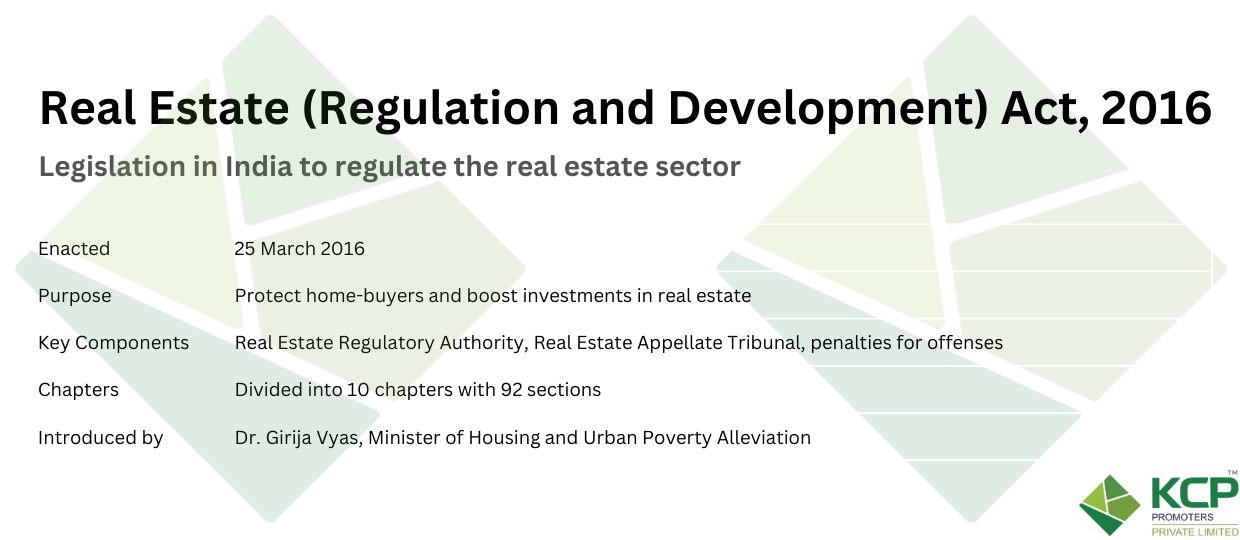
The Real Estate (Regulation and Development) Act, or RERA, was enacted by the Indian government in 2016 to regulate the real estate sector and protect homebuyers. It mandates that all real estate projects must be registered with the Real Estate Regulatory Authority, ensuring transparency through detailed disclosures about project plans, timelines, and financial aspects. Builders must deposit 70% of project funds in a separate escrow account to prevent misuse and guarantee project completion.

RERA also aims to safeguard buyer interests by prohibiting changes to project plans without majority consent from buyers and requiring timely project delivery. Additionally, it provides a fast-track dispute resolution mechanism and imposes penalties for non-compliance, enhancing accountability and professionalism in the real estate sector.

Is RERA Approval Necessary?

Yes, RERA approval is necessary for all real estate projects that meet certain criteria under the Real Estate (Regulation and Development) Act, 2016. Here are some key points to why you should have RERA approval.

  • Legal Authorization: RERA approval allows developers to legally advertise, market, book, sell, or invite people to purchase properties.
  • Buyer Protection: RERA clearance safeguards buyers from unscrupulous developers and ensures projects meet stringent quality standards.
  • Transparency: RERA-registered projects enhance transparency between buyers and sellers, simplifying the process of buying and selling properties.

What Are All The Benefits I Get With RERA Approval?

Registration

All real estate projects (except for small projects) must be registered with the Real Estate Regulatory Authority (RERA) before they can be marketed or sold. This includes providing detailed information about the project, including the layout, timeline for completion, and financial details.

Transparency

Builders are required to provide all necessary project details, such as project layout, government approvals, and the status of land titles. This information must be updated regularly on the RERA website.

Protection of Buyers

The act mandates that builders can only make changes to the project plans with the consent of two-thirds of the buyers. Additionally, it stipulates that builders must deliver projects on time and adhere to the agreed terms. If there is a delay, builders are required to compensate buyers.

Escrow Account

Developers must deposit 70% of the project funds into a separate escrow account to ensure that the money is used only for the project’s construction and not diverted to other projects.

Fast Track Dispute Resolution

RERA provides a mechanism for quick resolution of disputes between buyers and builders through the establishment of a Real Estate Regulatory Authority and an Appellate Tribunal.

Penalty for Non-compliance

The act penalises builders, real estate agents, and other stakeholders for non-compliance with its provisions, including imprisonment for serious offences.

Are There Any Criteria To Get RERA Approval?

For people who are about to sell their land, it is mandatory to have RERA approval. However, most don’t have it as they are unaware of the criteria they need to meet to get RERA approval. Here are the key criteria that are required to get RERA approval for land.

  • Project Size: Projects with a certain number of units or land area thresholds must be registered with the respective state’s Real Estate Regulatory Authority (RERA).
  • Detailed Project Information: Developers are required to provide comprehensive details about the project, including layout plans, timelines for completion, financial details, and legal approvals.
  • Escrow Account: Developers must open a separate escrow account and deposit at least 70% of the funds received from buyers into this account. This ensures that the funds are used solely for the construction and development of the registered project.
  • Legal Compliance: The project must have obtained all necessary approvals and clearances from local authorities and comply with all applicable laws and regulations.
  • Builder Background: Developers must disclose their track record of past projects, financial stability, and any litigation history.
  • Project Timeline and Quality Assurance: Developers must commit to completing the project within the agreed timelines and adhere to prescribed quality standards.
  • Buyer Consent: Any changes to the project plans or specifications must have the consent of at least two-thirds of the buyers who have invested in the project.

Why One Should Not Buy Or Sell Land Without RERA Approval?

Legality and Penalties
  • Mandatory Registration: RERA registration is mandatory for real estate projects exceeding specific thresholds (land area over 500 sq.m or more than 8 apartments).
  • Prohibition and Penalties: It is illegal to sell or purchase property in an unregistered project under the RERA Act. Developers can face penalties of up to 50% of the project cost or imprisonment for non-compliance. Unregistered real estate agents may be fined up to ₹10,000 per day for selling properties in unapproved projects.
Buyer Risks
  • Transparency Concerns: Purchasing property in a non-RERA registered project can lead to uncertainties regarding project details, timelines, and legal approvals.
  • Loan Difficulties: Buyers may face challenges in securing loans from financial institutions due to a lack of RERA compliance.
  • Dispute Risks: There is a higher risk of disputes with developers over promised amenities and timely project delivery.
  • Lower Resale Value: Properties in non-RERA registered projects may have lower market value and face challenges in resale.
Developer Obligations
  • Comprehensive Disclosure: RERA-registered developers are required to provide complete project information on the RERA website, ensuring transparency for potential buyers.
  • Escrow Requirement: Developers must deposit 70% of project receivables into a separate escrow account, ensuring funds are used exclusively for timely construction and reducing financial risks for buyers.
  • Buyer Compensation: Developers are obligated to compensate buyers for any delays in project completion, promoting accountability and buyer satisfaction.

Conclusion

RERA approval safeguards both the buyers and developers in the Indian real estate market. It ensures transparency, accountability, and adherence to legal standards, making property transactions more secure and trustworthy. Whether you’re a buyer seeking a secure investment or a developer committed to delivering quality projects, RERA approval is an essential aspect to consider. Prioritize RERA-registered projects cause you not only protect your interests but also contribute to a more transparent and regulated real estate environment.

Real Estate Promoters In Coimbatore
Categoriesblog

The Rise of South-Facing Plots in Tamil Nadu’s Real Estate Market

Introduction

In recent years, the demand for south-facing plots in Tamil Nadu’s real estate market has seen a significant rise. Traditionally, plots facing different directions by real estate promoters in Coimbatore held varying levels of appeal based on cultural beliefs, climatic conditions, and urban planning principles. However, the surge in interest for south-facing plots marks a notable shift, driven by various factors that we will explore in this comprehensive analysis.

The Cultural Significance of Plot Orientation

Vastu Shastra and South-Facing Plots

In Tamil Nadu, as in much of India, Vastu Shastra plays a crucial role in determining the desirability of a property. This ancient Indian science of architecture and construction places significant emphasis on the direction a plot faces. Traditionally, north and east-facing plots were considered more auspicious due to their alignment with sunlight and energy flow. However, recent reinterpretations of Vastu principles have begun to favour south-facing plots for specific reasons, including improved financial stability and energy conservation.

Changing Perceptions

The evolving perception of south-facing plots can also be attributed to a more nuanced understanding of Vastu Shastra. Experts now highlight that with the correct architectural design and placement of rooms, south-facing plots can bring prosperity and well-being. This shift in mindset has contributed to the rising popularity of these plots.

Climatic Advantages

Solar Energy Utilization

One of the key reasons for the increased demand for south-facing plots in Tamil Nadu is the efficient utilization of solar energy. South-facing homes receive ample sunlight throughout the day, which can be harnessed for solar panels, significantly reducing energy costs and promoting sustainable living.

Natural Light and Ventilation

South-facing plots offer superior natural lighting and ventilation, enhancing the overall living experience. Homes built on these plots benefit from abundant daylight, reducing the need for artificial lighting and contributing to energy efficiency. Additionally, proper ventilation improves indoor air quality, making the living environment healthier.

Economic Factors

Higher Resale Value

Investors and homebuyers are increasingly recognising the economic benefits of south-facing plots. These plots often command higher resale values due to their rising popularity and the perceived advantages they offer. The potential for better returns on investment makes south-facing plots an attractive option for savvy buyers.

Development Trends

Real estate developers in Tamil Nadu are responding to the growing demand by offering more south-facing plots in new projects. This trend is evident in both urban and suburban areas, where Real estate promoters in Coimbatore are strategically planning layouts to cater to the preferences of modern homebuyers.

Technological Integration

Smart Home Features

The integration of smart home technology has further boosted the appeal of south-facing plots. Modern homes equipped with energy-efficient systems, automated lighting, and climate control solutions are highly compatible with the benefits offered by south-facing orientations. These features not only enhance comfort but also align with the sustainability goals of many buyers.

Eco-Friendly Construction

Eco-friendly construction practices are another factor driving the popularity of south-facing plots. Sustainable building materials, green roofs, and rainwater harvesting systems are more effective when aligned with the natural advantages of south-facing plots. This approach aligns with the growing awareness and demand for environmentally responsible living.

Case Studies and Market Analysis

Urban vs. Suburban Demand

Market analysis reveals interesting trends in the demand for south-facing plots across different regions of Tamil Nadu. In urban centres like Chennai and Coimbatore, the preference for south-facing plots is driven by the desire for energy efficiency and modern amenities. In suburban and rural areas, the trend is influenced by cultural beliefs and the availability of larger plot sizes.

Success Stories

Several residential projects in Tamil Nadu have successfully capitalised on the demand for south-facing plots. For instance, Real estate promoters in Coimbatore who incorporated south-facing plots in their projects reported faster sales and higher buyer satisfaction. These success stories highlight the growing acceptance and benefits of south-facing orientations.

Future Prospects

Continued Growth

The trend of favouring south-facing plots is expected to continue its upward trajectory. As more homebuyers and investors become aware of the advantages, the demand is likely to increase further. Real estate promoters in Coimbatore are anticipated to adapt their projects to meet this demand, ensuring a steady supply of south-facing plots.

Innovations in Design

Future innovations in architectural design and construction technology will likely enhance the appeal of south-facing plots even more. With advancements in solar energy systems, smart home integration, and eco-friendly construction, south-facing plots will remain at the forefront of desirable real estate options.

Conclusion

The rise of south-facing plots in Tamil Nadu’s real estate market is a multifaceted phenomenon driven by cultural shifts, climatic advantages, economic benefits, and technological advancements. As homebuyers and investors continue to recognize the unique benefits of these plots, the trend is poised to grow even stronger. Understanding these factors is crucial for anyone looking to invest with real estate promoters in Coimbatore.

Categoriesblog

Tips to get a low-budget plot in Sathayamagalam

Introduction

Discover the perfect blend of calmness and accessibility in Sathyamangalam, a charming town in the Erode district along the Bhavani River. Just a short drive from Erode, Coimbatore, and Tiruppur, Sathyamangalam offers an ideal location for a peaceful home or a strategic business spot. KCP Promoters presents a gated community project with 139 plots for sale across 10 acres. Follow our expert tips for finding low-budget plots, from researching market trends to verifying property documents, and secure your future with KCP Promoters in Sathyamangalam today.

Land For Sale In Sathyamangalam. Why Buy?

Sathyamangalam, a charming town in the Erode district, is located along the Bhavani River. It’s 65 km from Erode, 70 km from Coimbatore, and 58 km from Tiruppur, making it a central hub connecting Gobichettipalayam, Bhavani, Bannari, Mettupalayam, and Annur. Sathyamangalam combines peace with easy access. It’s an ideal place for a peaceful home or a strategic business spot. Explore plots for sale in Sathyamangalam and begin your journey with ease.

KCP Promotores brings you gated community projects at Sathyamangalam covering an area of about 10 acres with 139 plots for sale. To learn more about this project click on, land for sale in Sathyamangalam.

Tips To Get Low-Budget Plots In Sathyamangalm

Sathyamangalam is the best place to make investments in land, and if you are looking to buy a plot on a low budget it might need some hard work. The price of land is determined by various factors and the value is always on the rise. It will be challenging for you to find plots on a low budget in Sathyamangalam, that is if you are not following the tips provided here.

Researching Market Trends

Before diving into property acquisition, it’s essential to research the market thoroughly. Analyze recent property sales, price trends, and the demand-supply ratio. Websites that offer valuable insights into the Sathyamangalam real estate market.

Identifying Growth Corridors

Focus on areas with growth potential. Sathyamangalam’s connectivity via highways and proposed infrastructure projects like the National Highway expansion and industrial parks can significantly impact property values. Investing in these growth corridors can yield substantial returns in the future.

Setting a Realistic Budget

Proper budgeting and financial planning are pivotal when purchasing low-budget plots. Understanding your financial capacity and exploring financing options can make the process smoother. Determine your budget based on your financial situation. Factor in additional costs like registration fees, stamp duty, and legal expenses. It’s advisable to keep a buffer for unforeseen expenses.

Exploring Financing Options

Explore various financing options like home loans, personal loan, and loans against property. Compare interest rates and repayment terms from different banks and financial institutions. Opt for a loan that aligns with your budget and repayment capacity.

If you’re looking for expert guidance, consult a trusted loan agency in Coimbatore to find the best loan options tailored to your needs.

Engaging with Local Real Estate Agents

Real estate agents from KCP Promoters have a deep understanding of the market and can offer exclusive deals that may not be listed online. Building a good relationship with reliable agents can provide access to the best low-budget plots.

Attending Property Exhibitions

Property exhibitions are excellent platforms to explore multiple options under one roof. Keep an eye out for exhibitions happening in nearby cities like Coimbatore and Erode, where developers showcase properties in Sathyamangalam at competitive prices.

Verifying Title Deeds and Property Documents

Ensure that the title deed is clear and the property is free from any legal disputes. Verify all property documents, including the Encumbrance Certificate (EC), Patta, and Chitta. Consulting a legal expert can help in verifying the authenticity of these documents.

Checking Land Use and Zoning Regulations

Verify the land use and zoning regulations with the local municipal authorities. Ensure that the plot is approved for residential use and check for any building restrictions that may impact your future plans. Or, you can just check for DTCP and RERA approval for the land you have your eye on.

Making an Offer

Make a reasonable offer based on your research and the market value of the plot. Be prepared for counteroffers and stay firm on your budget. A well-informed offer backed by market analysis can strengthen your negotiation position.

Conclusion

Securing a low-budget plot in Sathyamangalam requires thorough research, strategic planning, and diligent execution. By following these tips, you can make an informed decision and invest in a property that promises growth and value appreciation. And always, you can look out for KCP Promoters who are offering land for sale in Sathyamangalam. Get in touch with KCP Promoters today and buy plots for your dream and your future today.